



No products in the cart.
Return To Shop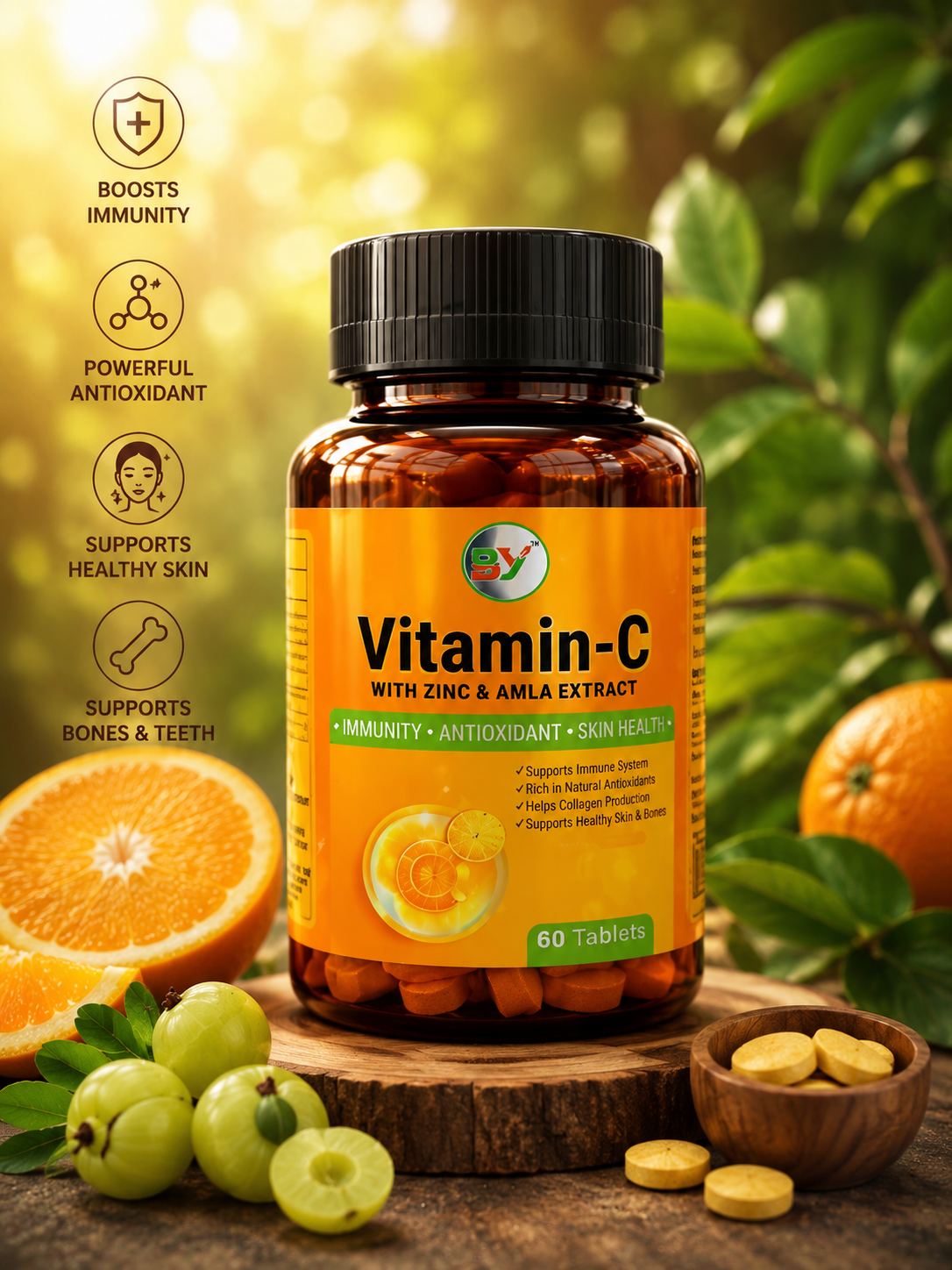
Vitamin C: An Essential Nutrient for a Healthy Body


7
What is Vitamin C?
Vitamin C is one of the most important nutrients required by the human body. It is a water-soluble vitamin, which means it dissolves in water and is not stored in large amounts in the body. Because of this, we need to consume Vitamin C regularly through food or supplements to maintain good health. Vitamin C is also known as ascorbic acid, and it plays a major role in supporting immunity, improving skin health, helping wound healing, and protecting the body from harmful substances called free radicals.
Unlike some animals, the human body cannot produce Vitamin C naturally. Therefore, it becomes essential to get it from natural foods such as oranges, lemons, amla, kiwi, guava, strawberries, tomatoes, broccoli, spinach, and other fresh fruits and vegetables.
Vitamin C is widely known for boosting immunity, but its benefits go far beyond that. It supports many body functions and helps maintain overall wellness.
Importance of Vitamin C in the Human Body
Vitamin C works like a protective shield for the body. It helps in the growth, repair, and maintenance of body tissues. It also supports the formation of collagen, which is an important protein needed for healthy skin, hair, nails, bones, joints, and blood vessels.
This vitamin is also a powerful antioxidant. Antioxidants help protect body cells from damage caused by pollution, stress, unhealthy eating habits, smoking, and harmful toxins. By reducing oxidative stress, Vitamin C may help the body stay energetic and healthy.
Benefits of Vitamin C
1. Helps Boost Immunity
One of the biggest benefits of Vitamin C is its role in strengthening the immune system. It helps the body fight against infections, viruses, and common illnesses such as cold and cough. Vitamin C supports the production of white blood cells, which are essential for protecting the body from harmful bacteria and germs.
People who regularly consume Vitamin C-rich foods often experience better resistance against seasonal infections.
2. Improves Skin Health
Vitamin C is very beneficial for glowing and healthy skin. It helps in collagen production, which keeps the skin firm, soft, and youthful. Collagen also helps reduce signs of aging such as wrinkles, fine lines, and dryness.
Vitamin C may also help protect the skin from damage caused by sunlight, pollution, and environmental stress. Many skincare products include Vitamin C because of its brightening and anti-aging properties.
3. Supports Wound Healing
The body needs Vitamin C to repair damaged tissues. It helps wounds heal faster by supporting collagen formation and improving tissue repair. Whether it is a small cut, injury, or surgery recovery, Vitamin C plays a supportive role in healing.
4. Acts as a Powerful Antioxidant
Vitamin C helps fight free radicals in the body. Free radicals are unstable molecules that can damage cells and increase the risk of health problems. Antioxidants like Vitamin C help reduce this damage and support overall health.
This protective effect may also help maintain healthy aging and reduce weakness caused by oxidative stress.
5. Helps in Iron Absorption
Vitamin C improves the absorption of iron from plant-based foods. Iron is important for making healthy red blood cells and preventing weakness or tiredness. Consuming Vitamin C with iron-rich foods can help reduce the risk of iron deficiency.
For example, drinking lemon water or eating amla along with meals may improve iron absorption naturally.
6. Supports Heart Health
Vitamin C may help support healthy blood circulation and heart function. Its antioxidant properties can help protect blood vessels from damage. A healthy diet rich in Vitamin C may contribute to maintaining normal blood pressure and overall cardiovascular wellness.
7. Helps Reduce Fatigue and Weakness
Low levels of Vitamin C may lead to tiredness, weakness, and low energy. Proper intake of this vitamin helps support energy production and overall body function. Many people feel more active and refreshed when their nutritional needs are balanced.
Natural Sources of Vitamin C
Many fruits and vegetables are naturally rich in Vitamin C. Some of the best sources include:
- Amla (Indian Gooseberry)
- Orange
- Lemon
- Guava
- Kiwi
- Strawberry
- Pineapple
- Papaya
- Tomato
- Capsicum
- Broccoli
- Spinach
Fresh and raw fruits usually contain higher amounts of Vitamin C. Cooking for a long time may reduce its nutritional value because Vitamin C is sensitive to heat.
Signs of Vitamin C Deficiency
When the body does not get enough Vitamin C, certain symptoms may appear, such as:
- Weak immunity
- Frequent cold and cough
- Dry or rough skin
- Slow wound healing
- Bleeding gums
- Weakness and tiredness
- Joint discomfort
Severe deficiency of Vitamin C may lead to a condition called scurvy, which causes fatigue, gum problems, and body weakness.
Daily Requirement of Vitamin C
The amount of Vitamin C needed varies according to age, lifestyle, and health condition. In general, adults require a moderate daily intake to maintain proper health. People who smoke, experience high stress, or have poor dietary habits may need more Vitamin C support.
A balanced diet with fresh fruits and vegetables is usually enough for most healthy individuals.
Conclusion
Vitamin C is a vital nutrient that supports immunity, skin health, wound healing, energy, and overall wellness. It acts as a powerful antioxidant and helps protect the body from harmful damage caused by stress and pollution. Since the body cannot produce Vitamin C naturally, it is important to include Vitamin C-rich foods in the daily diet.
Regular consumption of fresh fruits and vegetables can help maintain healthy Vitamin C levels and support a strong, active, and healthy life naturally.




Add comment